Learn From Dr Tahseen Riaz

Blog

Stay updated with expert insights, helpful tips, and the latest advancements in orthopedic care to keep your bones, joints, and overall mobility in the best shape.


Blog Page

Some up and coming trends are healthcare consolidation for independent healthcare centers that see a cut in unforeseen payouts with a growth of independent practices.
Best-Shoulder-Doctor-l.webp

We treat a range of shoulder conditions using minimally invasive shoulder arthroscopic techniques, including but not limited to:

  • Shoulder Impingement
  • Rotator Cuff Injuries
  • Dislocated Shoulder
  • Broken Collar Bone / Clavicle Fracture Surgery
  • Acromioclavicular Joint Injuries
  • Frozen Shoulder
  • Shoulder Arthroscopy

Shoulder injuries are commonly caused by sports involving excessive, repetitive overhead motions such as pitching, tennis, and weightlifting. Injuries can also happen when performing regular tasks like gardening, hanging drapes, painting, and washing walls.

When to Visit the Shoulder Injury Clinic

The most common sign of shoulder injury is pain. The pain can be mild and achy or intense and searing. Identifying a specific pain location within the shoulder can help the doctor diagnose the problem.

Other indications and symptoms in addition to shoulder pain include:

  • Stiffness
  • Weakness
  • Inability to rotate or raise your arm through a normal range of movement
  • Your shoulder may feel loose
  • The shoulder may appear deformed

Causes of Shoulder Injuries

In most cases, shoulder injuries may occur as a result of injuries to soft tissue which are normally brought on by overuse from repetitive action at work, in sports, or in leisure activities. Fractures of the shoulder bones are also rather common and typically arise from trauma like falls or car accidents.

Osteoarthritis of the shoulder is a degenerative condition characterized by cartilage breakdown associated with joint deterioration. The shoulder can also become inflamed with rheumatoid arthritis, an inflammatory condition that affects the bones and cartilage. Both of these forms of arthritis have the potential to eventually hurt or harm the shoulder joint.

Risk Factors of Shoulder Injuries

Overuse is the most frequent cause of shoulder injuries. Common situations when this happens include:

  • Participating in activities at home like wall scrubbing
  • Participating in contact sports which involve repetitive overhead motion
  • Working a job that requires repetitive motion, such as manufacturing on an assembly line

Prevention of Shoulder Injuries

The majority of shoulder injuries are accidental, but there are techniques to prevent them. They could include the following:

  • Maintaining a healthy weight through diet and exercise
  • Avoid over-training
  • When performing repetitive jobs, use suitable ergonomics
  • Be careful when participating in high-risk sports
  • If your doctor advises it, incorporate accessory (smaller) muscles that guard your joints into your strength training
  • You should rest when you feel pain
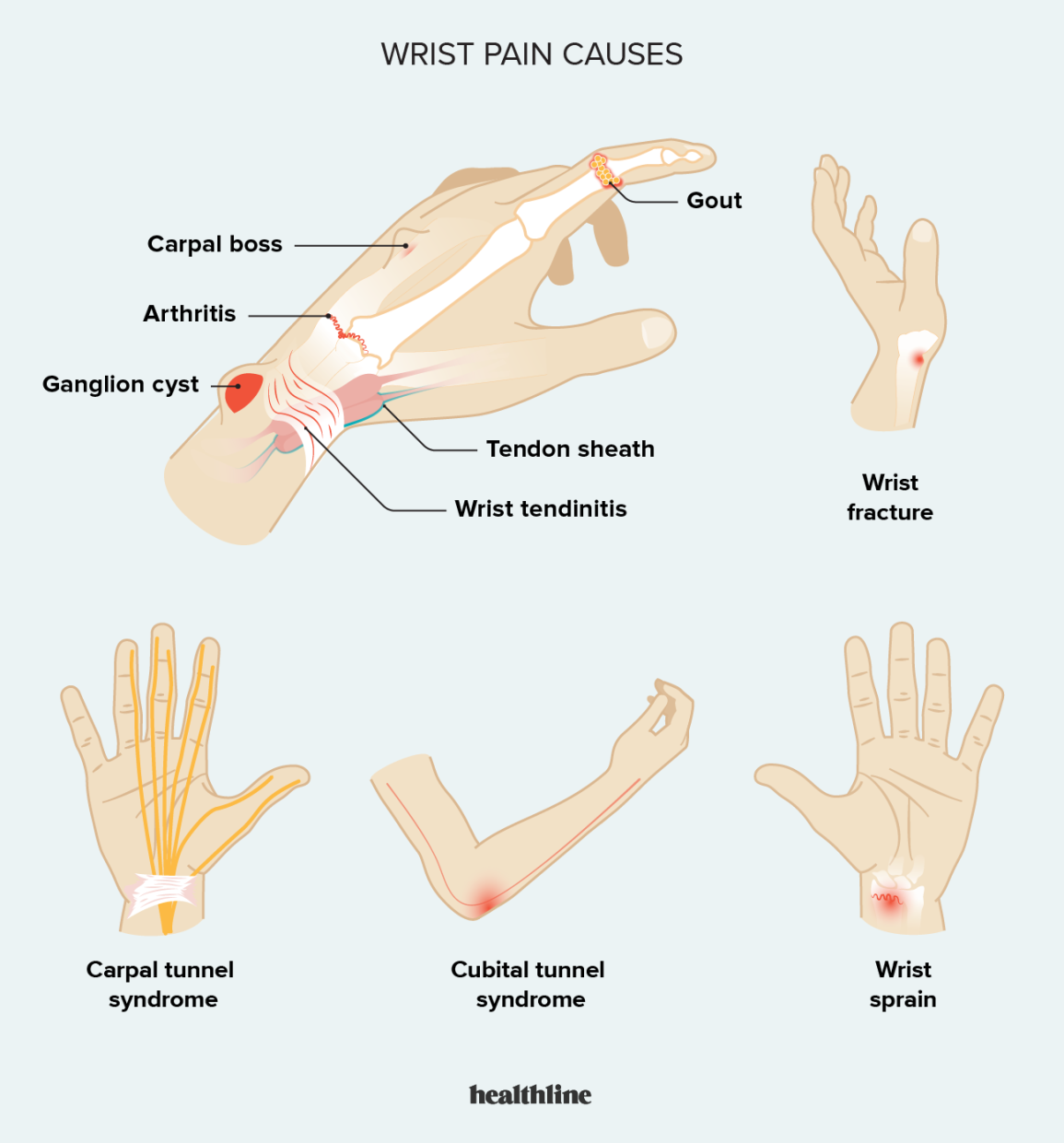
1867865-Possible-Causes-of-Wrist-Pain-and-Treatment-Tips-1296x728-body.webp

Hand and wrist surgery involves conservative surgical procedures that are performed to restore or improve function and mobility of the upper limbs, which may have been affected as a result of injury or certain musculoskeletal disorders. The procedures are performed by an orthopedic surgeon and include a tailor-made minimally invasive treatment and recovery plan.

Common Hand and Wrist Injuries and Conditions

  • Cubital Tunnel Syndrome: This occurs when the ulnar nerve becomes compressed in the elbow. The ulnar descends to the fingers from the middle of the forearm.
  • Carpal Tunnel Syndrome: The condition occurs when the median nerve which runs through the center of the hand becomes compressed in the wrist.
  • Tendonitis of the Hand, Wrist, Elbow and Shoulder: Occurs due to inflammation and irritations of the tendons. The tendons serve as a link between muscles and bones.

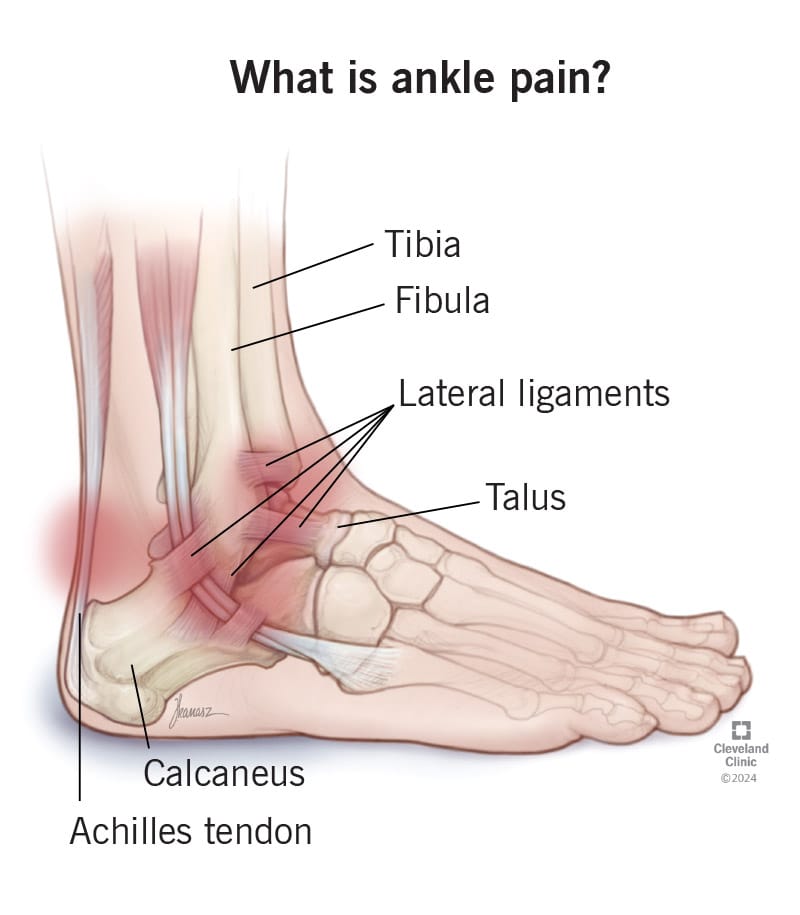
ankle-pain.jpg

The foot and ankle is made up of a complex network of joints and bones held together by ligaments and connective tissue. It is divided into the rearfoot, midfoot, and forefoot regions. The ankle consists of three bones – the tibia, the fibula, and the talus. The junction of the tibia and fibula creates a joint that the anklebone (talus) fits into. This allows for the up and down movement of the foot (dorsiflexion and plantarflexion).

Common Ankle and Foot Injuries

Ankle sprain

This is one of the most common orthopedic injuries. An ankle sprain happens when the ankle moves beyond the threshold resulting in the tearing of the ligaments that are in place preventing the movement. Acute swelling and pain occur when the ligaments are stretched beyond their usual capacity. The severity of the ligament injury determines the grade of an ankle sprain. Ankle sprains are normally classified by grades I-III.

High ankle sprain

This refers to an injury to the syndesmotic tissue between the tibia and fibula above the ankle joint. These ligaments are found in the lower leg and hold the tibia and fibula together, forming the joint where the talus is.

Plantar fasciitis

This is one of the most common causes of heel pain. The condition occurs when the planter fascia, a thick band of connective tissue that runs along the bottom of the foot and supports the arch, is inflamed.

Tendonitis

Tendonitis is the inflammation of a tendon.  Tendons mainly serve the purpose of connecting muscles to bones. The foot and ankle have a number of lower extremity muscles that help support and move the foot in various directions. These muscles develop into tendons that connect to specific foot bones.

Tendon rupture

All tendons such as Achilles, posterior tibialis, and peroneal are susceptible to an acute rupture or a partial or a complete tear due to chronic overuse.

A quick contraction such as when one leap or a sudden overstretching of the tissue can both cause a tendon to rupture suddenly. The most common rupture is that of the Achilles tendon, which causes Achilles’ tendonitis.

Fractures

The foot and ankle have a wide variety of potential fracture sites. These include:

  • Calcaneus fracture: This refers to a fracture of the calcaneal bone, which is a very serious and crippling injury. Frequently, these types of fractures result from a high-impact situation such as trauma or a fall from a height.
  • An ankle fracture: This refers to a fracture of one or more of the ankle joint’s bones – tibia, fibula, or talus. Treatment options range from immobilization in a cast or boot to surgical reconstruction using screws and plates, depending on the number of fractures and structures affected.

Osteoarthritis (OA)

This condition occurs when the articular cartilage, the tissue that covers the ends of most bones gets worn and degenerates. It is sometimes known as “wear and tear” arthritis, which can be caused by natural aging, or trauma (post-traumatic arthritis).

Balance disorders

In functional activities such as walking, the foot-ankle complex plays a very significant role in balance and foot adjustment. Over time, losing equilibrium becomes a problem for many patients. A fall resulting from a failure to react to a change in the walking surface or change direction can have grievous effects, such as a hip fracture.


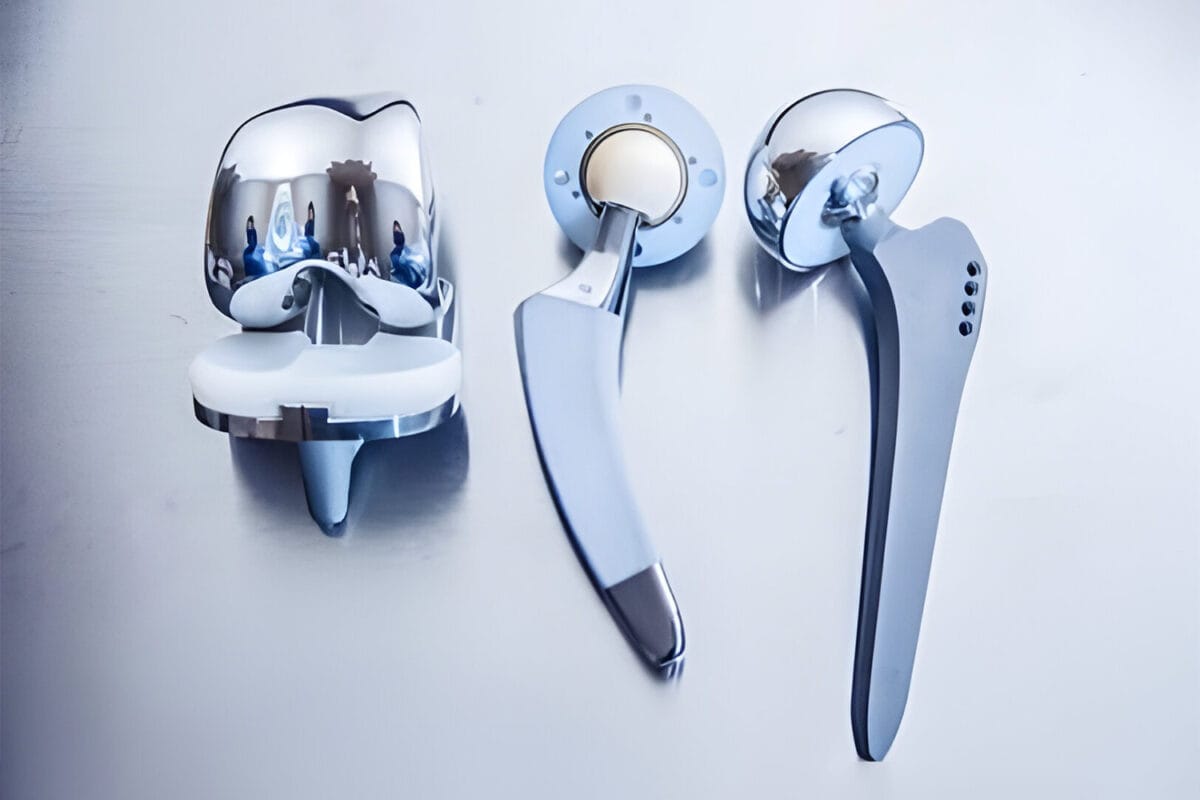
jonet-1200x800.jpg

The hip is a ball-and-socket joint whereby the ball of a person’s thighbone fits into the socket of his/her pelvis. In and around the joints, there are ligaments, tendons, cartilage, and other soft tissues. Since the hip is one of the biggest joints in the body, which supports all motions and bears the entire body weight, when hip problems occur, it affects a person’s quality of life. Hip injuries are common in people of all ages. However, athletes and older people carrying extra weight are at great risk for a hip injury.

Symptoms of Hip Injuries

Hip pain which can spread to the knees, buttocks, and thighs is the most common sign of hip injuries. However, the signs and symptoms of hip injuries depend on the specific problem in an individual. The pain may range from mild to severe.

Other symptoms may include:

  • Joint stiffness
  • Decreased range of motion
  • Locking of joints

Causes of Hip Injuries

  • Trauma
  • Overuse of repetitive motion
  • Chronic conditions such as arthritis
  • Osteoporosis (weak bones)

Types of Hip Injuries

  • Labral tear: This occurs when the labrum (the seal that glues the ball and socket) tears, the ball and socket may move out of place leading to instability and lubrication loss. A person may experience sharp pain in the groin, thighs, or leg, decreased range of motion, and stiffness.
  • Loose bodies: This is a small piece of dislodged cartilage or bone that floats between the joint. It normally occurs when one is in motion and happens to “hit” the loose body, resulting in sharp pain. People with a rare condition known as synovial chondromatosis, which causes loose joints inside the joint, are at high risk.
  • Vascular Necrosis (AVN): It is a condition that occurs when the femoral head doesn’t get enough blood, which makes part of its bone to die. AVN may develop as a result of dislocation, chronic corticosteroid use, or prolonged heavy alcohol consumption. It eventually causes the bone to collapse if left untreated.
  • Iliopsoas impingement and snapping hip: This is a condition characterized by inflammation and pain in the iliopsoas muscles leading to abnormal movement of the hip. It is often associated with a “snapping hip,” a situation where the tendon snaps over the labrum causing friction that may lead to a tear.
  • Bursitis: This is a painful condition that affects the bursae-tiny, fluid-filled sacs that cushion the bones, tendons, and muscles to close an individual’s joints.
  • Hip instability: Hip instability may result from a traumatic event or from repeated overuse:
  • Gluteus Medius Tears: This is a condition in which one experiences severe strain on the gluteus medius muscle (muscle on the outside of the hip that controls abduction) that leads to partial or complete rupture of the muscle.

Main Risk Factors of Hip Injuries

  • Age: Most injuries are prevalent to those over 60 years of age
  • Osteoporosis (weak bones)
  • Dementia
  • Vitamin D deficiency
  • Overweight (obese)
  • Poor balance
  • Smoking
  • Lack of physical activity

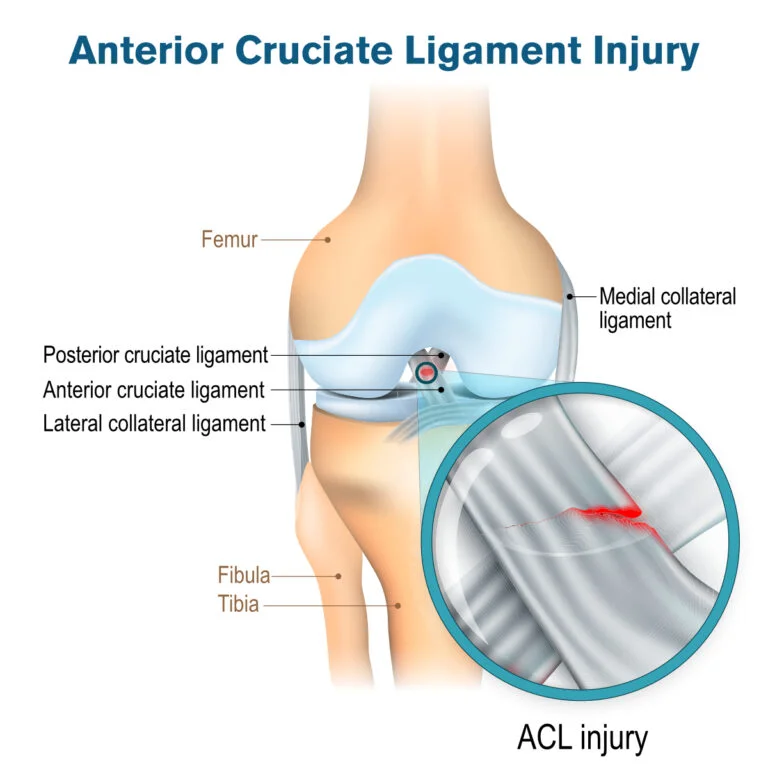
ACL-Injury-Treatment-lahore.webp

ACL reconstruction techniques. With thousands of successful knee surgeries performed, our patients benefit from minimal pain and faster recovery.

ACL reconstruction is a surgical procedure that restores knee stability and strength after the ligament has been torn. The procedure works by removing the remnants of the damaged ligament and replace them with tissue from a cadaver or another ligament from one’s body. ACL reconstruction procedure is performed on an outpatient basis by an orthopedic surgeon.

Why ACL Reconstruction Surgery is Performed

ACL reconstructive surgery is performed to restore stability and range of motion to the knee after an ACL tear. Surgery is not always necessary in situations with torn ligaments, but individuals who are in severe discomfort may choose to have it.

ACL reconstruction is mostly recommended for:

  • Individuals with persistent knee pain
  • Individuals whose injury causes the knee to buckle during routine activities
  • Young and active individuals
  • An athlete who wants to remain active

Preparation for ACL Reconstruction Surgery

Prior to surgery, the patient will undergo several days of physical therapy. The objective is to reduce pain and swelling, restore the knee’s full range of motion, and strengthen muscles. Individuals who have stiff, swollen knees before surgery may not fully recover their range of motion.

The patient will need to discuss with the doctor about where the surgically-implanted tendon will come from. These tendons are frequently found in:

  • Quadriceps
  • Patella’s tendon
  • Hamstring

The doctor will issue complete instructions for the day of the surgery, which may include fasting for 12 hours prior to surgery and refraining from taking any blood-thinning medications such as aspirin. The patient should arrange for someone to accompany him/her to the hospital for surgery.

How the Procedure Works

During the procedure, which is performed under general anesthesia, a sample tissue is chosen, which is prepared from a cadaver or surgically removed from the patient’s body. The tendon will then be outfitted with bone plugs, or anchor points, to graft the tendon into the knee.

An incision is made in the front of the knee through which a small tube is outfitted with a fiber optic camera and surgical tools (arthroscope) are inserted. This will enable the surgeon to see inside the knee during the procedure.

The surgeon will first clean the area and remove the damaged ACL. The tibia and femur will then have tiny holes drilled into them so that the bone plugs can be fastened with posts, screws, staples, or washers.

The surgeon will check the knee’s range of motion and tension after attaching the new ligament to make sure the graft is secure.

Lastly, the surgeon will suture the incisions, dress the wound, and stabilize the knee with a brace.


kneee-1200x800.jpg

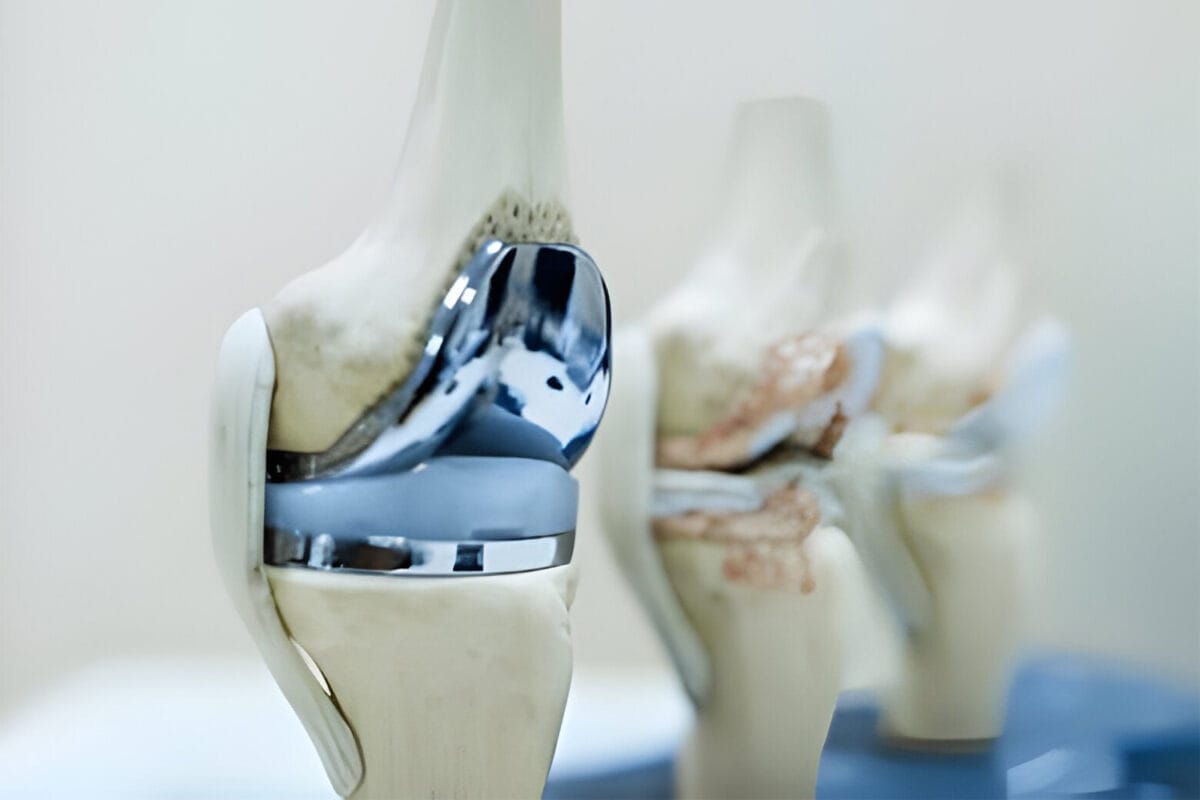
Prof.DR Tahseen Riaz  brings to his practice a profound understanding of knee anatomy and pathophysiology, combined with a mastery of surgical techniques that cater to a wide array of knee conditions. From arthritic damage requiring total knee replacement to intricate revision surgeries for previously operated knees, his approach is always tailored to the individual, ensuring both functionally superior and personally satisfying outcomes.


0304 4077000

For Lahore Patients Appointment Number

Call us now if you are in a medical emergency need, we will reply swiftly and provide you with a medical aid.


Copyright by Dr. Tahseen Riaz 2024. All rights reserved.